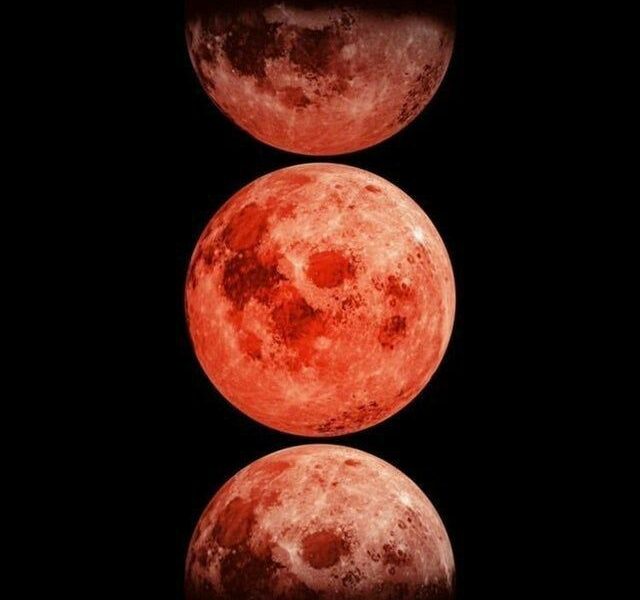
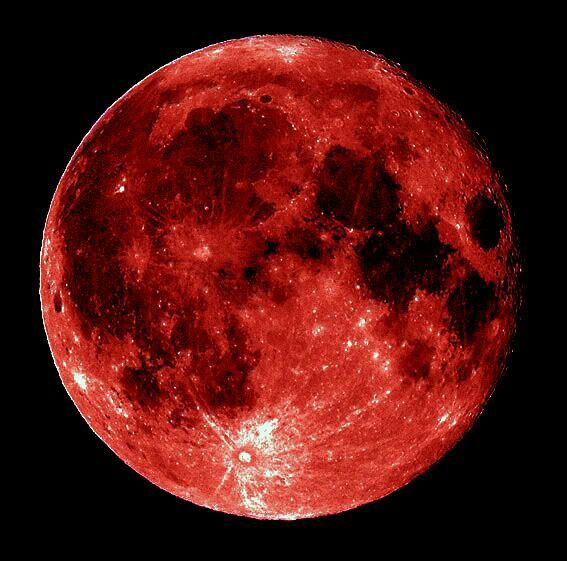
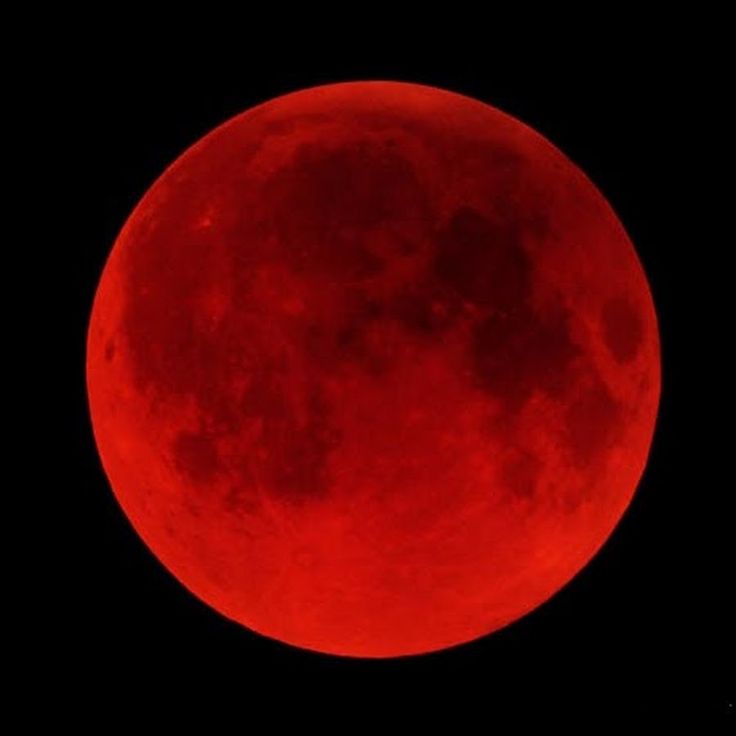
Lunar Eclipse 2025: Stunning Blood Moon witnessed in Delhi during Chandra Grahan on September.
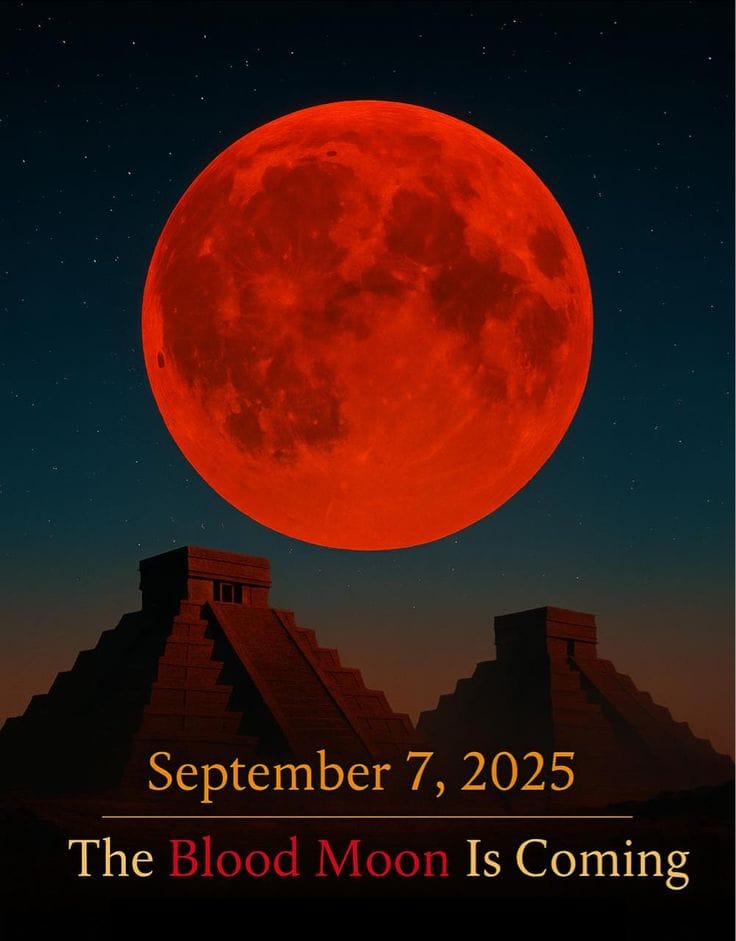
On the night of September 7–8, 2025, people across Asia, Europe, Africa, and Australia will be treated to a spectacular sight—a total lunar eclipse, popularly called a Blood Moon. This rare celestial event is expected to draw millions of skywatchers, as the Moon takes on an enchanting deep red glow.
What causes a lunar eclipse?
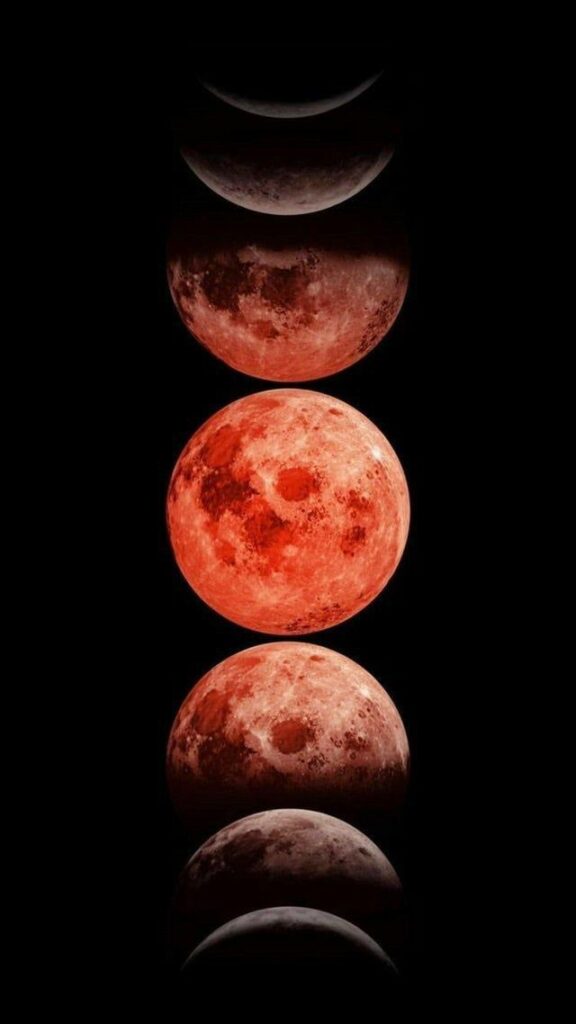
A lunar eclipse happens when the Earth moves directly between the Sun and the Moon, blocking sunlight from reaching the lunar surface. Instead of going completely dark, the Moon looks red because Earth’s atmosphere scatters blue light while bending the longer red wavelengths toward the Moon. This natural effect is the same reason we see brilliant red and orange hues during sunsets.
Why is it called a Blood Moon?
The striking reddish or coppery color is what has earned this phenomenon the dramatic name “Blood Moon.” Its otherworldly glow has fascinated cultures for centuries, often seen as a symbol of mystery and transformation.
Why is this eclipse special?
This particular eclipse will last for about 82 minutes of totality, making it one of the longest in the past decade. Best of all, it will be visible to billions worldwide—even without telescopes.
So, mark your calendars—the September 2025 Blood Moon promises to be a breathtaking natural show you won’t want to miss. Esko different tarike se likh do but meaning same rhna chahiye
ChatGPT said:
Here’s a rewritten version of your text with the same meaning but in a fresh style:
On the night of September 7–8, 2025, skywatchers across Asia, Europe, Africa, and Australia will witness a mesmerizing spectacle—a total lunar eclipse, often referred to as a Blood Moon. During this rare astronomical event, the Moon will glow in shades of deep red, captivating millions of viewers worldwide.
What causes a lunar eclipse?
A lunar eclipse occurs when the Earth aligns directly between the Sun and the Moon, preventing sunlight from reaching the Moon’s surface. However, instead of disappearing into darkness, the Moon takes on a reddish appearance. This happens because Earth’s atmosphere scatters shorter blue light while bending red light toward the Moon—a phenomenon similar to the vibrant colors seen during sunsets.
Why is it called a Blood Moon?
The term “Blood Moon” comes from the striking crimson or copper glow that appears during totality. Throughout history, this unusual color has inspired myths, legends, and symbolism, often representing change, wonder, and mystery.
What makes this eclipse unique?
The September 2025 lunar eclipse is set to last around 82 minutes of totality, ranking among the longest in recent years. Even more exciting, it will be easily visible to billions of people without the need for special equipment—just a clear sky.
So, don’t miss the chance to experience this extraordinary celestial event. The Blood Moon of September 2025 is sure to leave an unforgettable impression on all who witness it.
2025 Total Lunar Eclipse (Blood Moon): Powerful Horoscope Insights for Every Zodiac Sign
According to celebrity astrologer Kyle Thomas, the upcoming Pisces eclipse symbolizes closure, renewal, and stepping boldly into the next phase of life. Here’s how it may influence each zodiac sign:
Aries
Much like a phoenix, you’re being guided to let go of what no longer adds value to your journey. By releasing the old, you’ll rise with greater strength. A refreshed and empowered version of yourself is ready to emerge.
Taurus
Your aspirations are more than mere daydreams—they hold the power to manifest. Surround yourself with supportive souls who encourage your growth. With the right circle, your ambitions can truly take flight
Blood Moon Celebrity Astrologer
According to celebrity astrologer Kyle Thomas, the upcoming Pisces eclipse symbolizes closure, renewal, and stepping boldly into the next phase of life. Here’s how it may influence each zodiac sign:
Aries
Much like a phoenix, you’re being guided to let go of what no longer adds value to your journey. By releasing the old, you’ll rise with greater strength. A refreshed and empowered version of yourself is ready to emerge.
Taurus
Your aspirations are more than mere daydreams—they hold the power to manifest. Surround yourself with supportive souls who encourage your growth. With the right circle, your ambitions can truly take flight
Chandra Grahan 2025 Live Updates: ‘Blood Moon’ Captivates Skywatchers as Total Lunar Eclipse Concludes
the evening of September 7, 2025, skywatchers across the globe witnessed a breathtaking celestial event — a total lunar eclipse (Chandra Grahan). This was the second lunar eclipse of the year and treated viewers to a spectacular “Blood Moon.”
The phenomenon began as the Earth’s shadow started creeping over the Moon’s surface at 9:57 pm IST. By 11:01 pm, the Moon was completely engulfed in the Earth’s umbra, glowing in a deep coppery-red hue. The eclipse reached its maximum intensity at 11:48 pm and gradually ended at around 12:22 am, lasting a little over 48 minutes in its total phase. The entire event was clearly visible to the naked eye across India.
Apart from India, the eclipse was also visible in Australia, the Far East, the Middle East, Europe, and certain regions of Africa, according to Dr. Devi Prasad Duari, former director of MP Birla Planetarium. However, observers in North and South America missed this rare sight.
Highlights of blood Moon 2025
Highlights of Lunar Eclipse 2025
First complete lunar eclipse visible across all of India since July 27, 2018.
Longest total lunar eclipse observable since 2022.
The next total lunar eclipse will occur on March 3, 2026.
As per NASA, a lunar eclipse occurs during a full moon when Earth aligns directly between the Sun and the Moon, casting its shadow on the lunar surface. The reddish glow comes from sunlight filtering through Earth’s atmosphere
Blood Moon Eclipse 2025 Timeline
7 Sept, 8:58 pm – Penumbral phase begins (not visible easily to naked eyes).
7 Sept, 9:57 pm – Partial eclipse begins (visible clearly).
7 Sept, 11:01 pm – Total eclipse begins (Moon turns deep red).
8 Sept, 12:23 am – Total eclipse ends (Moon exits umbra).
8 Sept, 1:27 am – Partial phase ends.
8 Sept, 2:25 am – Penumbral phase ends (barely noticeable)
LIVE Updates :
Sep 8, 2:34 am – The live coverage of Chandra Grahan 2025 comes to an end.
Sep 8, 1:42 am – When is the next lunar eclipse? According to PTI, the next total lunar eclipse visible from India will take place on December 31, 2028.
Sep 8, 1:25 am – Kolkata celebrates the eclipse: In Bengal, residents gathered on rooftops, open fields, and at the Birla Industrial and Technological Museum, which hosted a special three-hour telescope demonstration for students and enthusiasts.
Sep 8, 12:58 am – Moon reappears: Stunning visuals show the Moon emerging as the total phase ends.
Sep 8, 12:25 am – The total lunar eclipse concludes; the Moon slowly becomes visible again.
Sep 8, 12:09 am – The eclipse peaked at 11:48 pm and ended its total phase at 12:23 am, offering a remarkable Blood Moon view.
Sep 8, 12:00 am – Crowds gather across India: From the Nehru Planetarium in Delhi to city rooftops, skywatchers assembled in large numbers to witness the event.
Sep 7, 11:42 pm – Chennai’s Blood Moon: The eclipse produced magnificent visuals in Chennai, marking the longest such event in India since 2022.
Sep 7, 11:37 pm – The next total lunar eclipse visible from India will occur on December 31, 2028, PTI reports.
Sep 7, 11:27 pm – Cloudy skies spoil view in many cities, though live streams ensured enthusiasts could still enjoy the rare celestial display.
Sep 7, 11:21 pm – Why does the Moon turn red? According to astronomer BS Shylaja, the red hue appears because sunlight reaching the Moon passes through Earth’s atmosphere, scattering blue light and letting red light dominate.
Sep 7, 11:13 pm – The Blood Moon phase begins: The total eclipse is underway.
Sep 7, 10:57 pm – Total eclipse starts: Across India, people gathered to watch as the Moon entered full shadow.
Sep 7, 10:49 pm – Experts confirm the Blood Moon would peak close to 11:58 pm.
Sep 7, 10:41 pm – Visuals show Earth’s shadow covering half the Moon.
Sep 7, 10:27 pm – Explained: Lunar eclipses occur when Earth moves between the Sun and Moon, casting its umbra and penumbra shadows. The red glow results from atmospheric scattering of sunlight.
Sep 7, 10:16 pm – People across Delhi, Lucknow, and other cities gathered outdoors to witness the phenomenon.
Sep 7, 9:55 pm – The partial eclipse begins, visible clearly in the night sky.
Sep 7, 9:46 pm – The eclipse is visible across India, Europe, Middle East, Far East, and Africa, but not in the Americas.
Sep 7, 9:36 pm – Ganga Aarti in Haridwar: Performed ahead of the eclipse before the Sutak period began. Temples closed as per tradition.
Sep 7, 9:27 pm – Visuals from Delhi show the Moon as the eclipse approaches.
Sep 7, 9:21 pm – Experts confirm the Moon will remain in full eclipse for 82 minutes.
Sep 7, 9:12 pm – Temples at Badrinath and Kedarnath closed for devotees due to the Sutak period.
Sep 7, 9:07 pm – According to Nehru Planetarium, the eclipse peaked at 11:48 pm and lasted a little more than 48 minutes.